EN
EN
 ko
ko  fr
fr  de
de  ru
ru  ar
ar 


What are you looking for?

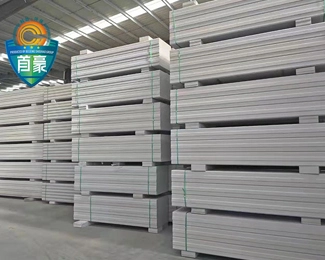
The density of AAC concrete panels typically ranges between 400-700 kg/m³, which is much lower than traditional concrete. Its high strength and lightweight characteristics reduce the overall weight of buildings, lessen the foundation load, and subsequently lower the structural cost of the building.
The finely distributed pores inside the AAC concrete panels provide good insulation, with a thermal conductivity as low as 0.10-0.17 W/(m·K). This significantly enhances the thermal performance of the walls, effectively reducing heating and cooling energy consumption and meeting the energy-saving requirements of modern green buildings.
Made from inorganic, non-combustible materials, AAC concrete panels have a fire resistance rating of over 4 hours. This effectively prevents the spread of fire, ensuring building safety, and is widely used in high-rise residential and public buildings.
The porous structure of AAC concrete panels offers good sound absorption capabilities, effectively reducing indoor noise and enhancing the comfort of living and working environments.
The primary raw materials for AAC concrete panels are cement, lime, sand, and water, and the production process does not emit harmful gases. The products are recyclable, and their lightweight characteristics reduce transportation energy consumption, aligning with the concepts of building energy efficiency and environmental protection.

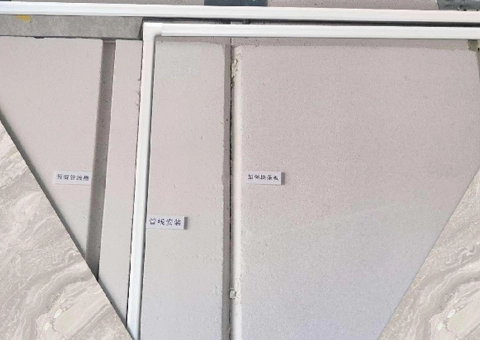
The precise dimensions of AAC concrete panels and their high degree of prefabrication, combined with dry construction techniques, significantly reduce on-site wet operations and curing time, speeding up construction and lowering labor costs.
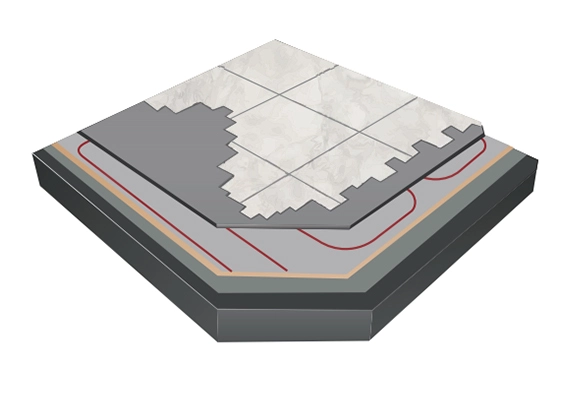
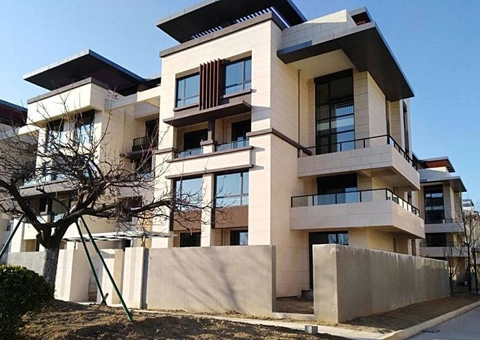
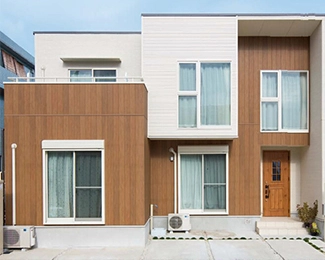
AAC concrete panels can be customized in size and thickness according to building requirements. They are suitable for interior and exterior walls, floors, and roofs, balancing structural strength with thermal insulation, meeting the design needs of different building types.
AAC concrete panels feature excellent durability and stability, making them less prone to cracking and deformation, thereby reducing later maintenance and repair costs.

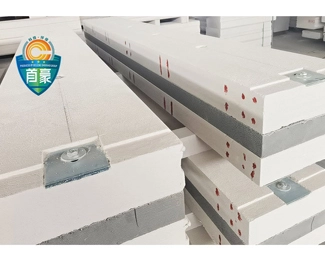
AAC concrete panels are lightweight and suitable for steel, concrete, and prefabricated structures. Their dimensional stability and strength allow seamless integration with different joints and connectors.
AAC concrete panels work well with dry-hanging, adhesive, and integrated insulation systems. Easy to cut, nail, and shape, they simplify on-site work and reduce waste.
Thanks to their precision, ease of transport, and quick assembly, AAC concrete panels support industrialized construction, shortening timelines and improving quality control.

As the construction industry transitions towards green and low-carbon solutions, AAC concrete panels, as high-performance and eco-friendly building materials, will see broader applications. Combined with intelligent building technologies, the production and installation of AAC concrete panels will become more precise and efficient, advancing building industrialization, and enhancing building quality and energy efficiency.
With their lightweight, high strength, and excellent thermal insulation and fire resistance performance, AAC concrete panels have become an indispensable material in modern architecture. They meet the energy-saving and environmental demands of the times and bring higher efficiency and better quality assurance to construction. In the future, as technology continues to advance and applications expand, AAC concrete panels will play a greater role in green building and sustainable development.
| Attribute | Details |
|---|---|
| Product Name | Autoclaved Aerated Concrete (AAC) Panel and Block |
| Manufacturer | Beijing SOHO Building Materials Group Co., Ltd. |
| Material | Quartz sand, gypsum, lime, Portland cement, water, fly ash, aluminum powder |
| Density | 425–725 kg/m³, 1/4 of common concrete, 1/3 of clay brick |
| Thermal Conductivity | 0.11–0.18 W/(m·K), providing excellent thermal insulation |
| Compressive Strength | Up to 8,000 kPa (1,200 psi), 80% strength utilization coefficient |
| Sound Insulation | Reduces noise by 30–50 dB, depending on thickness |
| Fire Resistance | 4-hour fire rating for 100 mm thick panel, Euroclass A1 non-combustible |
| Environmental Features | Non-toxic, recyclable, uses waste materials (fly ash), no sintering process |
| Certifications | CE, ISO 9001, ISO 14001, ISO 45001 |
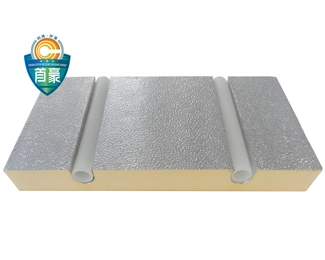
| Panel Joint Design | 3–5 mm deep, 50 mm wide groove at joints for mesh cloth, ensuring flatness and crack resistance |
| Applications | External/internal walls, floors, roofs, cladding, lintels; residential, commercial, industrial |
| Benefits | Lightweight, seismic-resistant, energy-efficient, soundproof, moisture-resistant, fast installation |